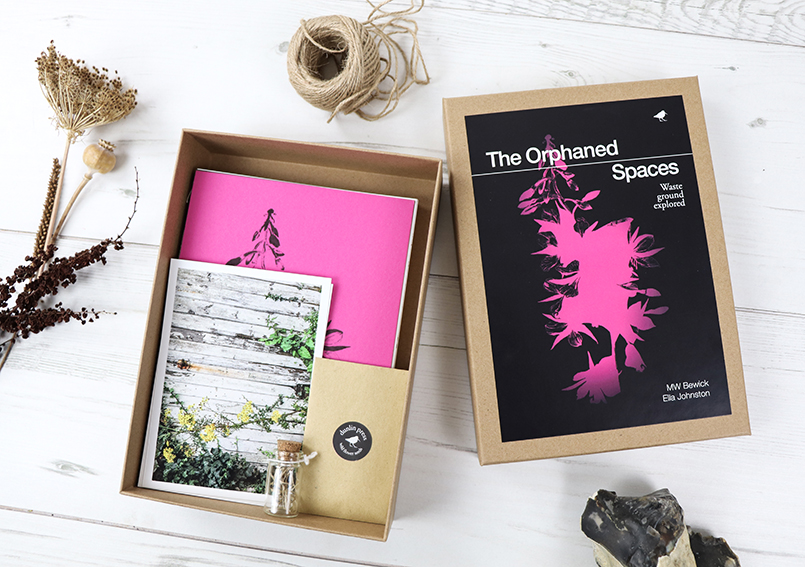
The Orphaned Spaces box set

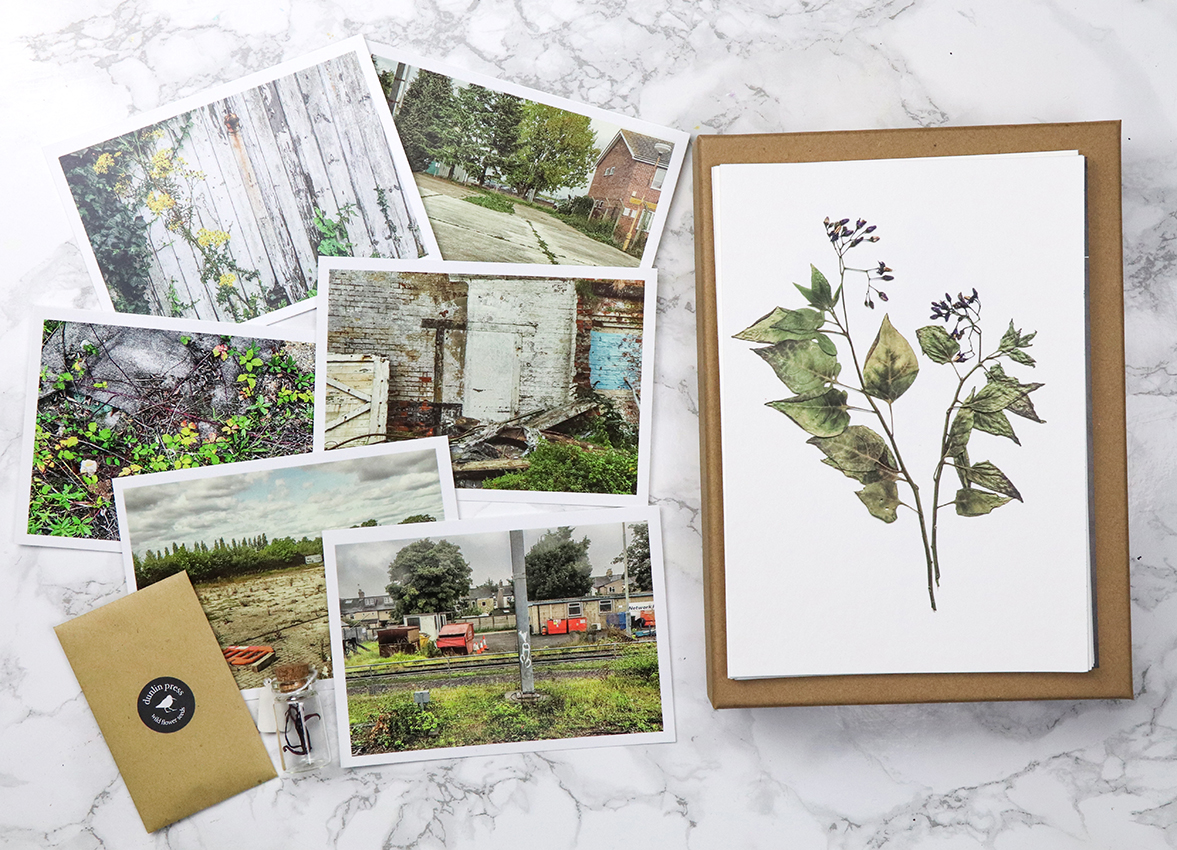
The Orphaned Spaces box set. Featuring postcards, hand-stitched books, seeds, reliquary, archival prints.

Last week I told you about my new illustrated book (with MW Bewick), The Orphaned Spaces published by our indie publishing company Dunlin Press, well here is the box set.
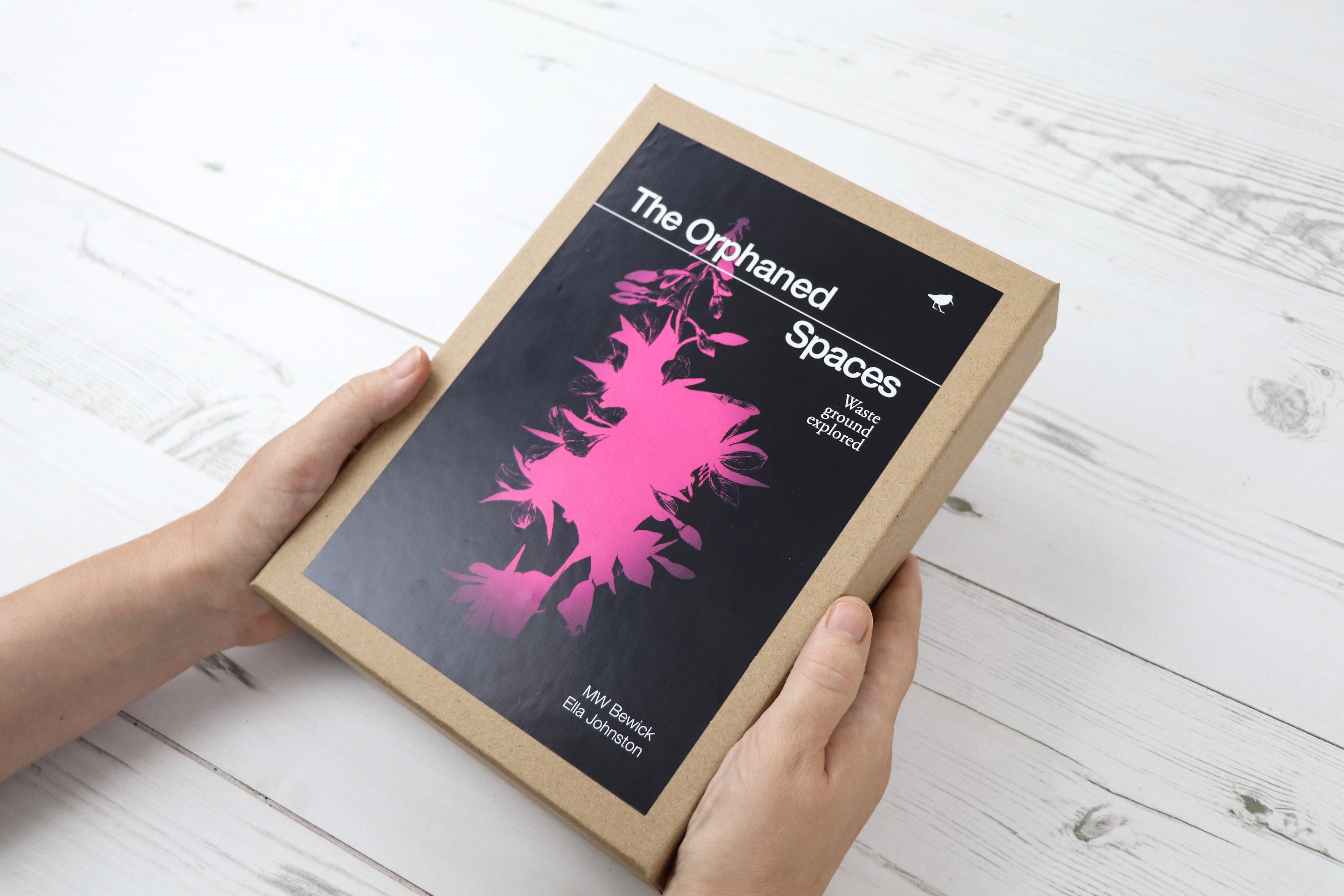
The Orphaned Spaces box set. Featuring postcards, hand-stitched books, seeds, reliquary, archival prints.

The Orphaned Spaces  box set is such an undertaking of work that I had to give it a separate post.

When working on Dunlin Press projects,  we’ve often described each book as ‘time capsules’. We aim for every publication to embody the mood and spirit of a place or region at a particular period of human history – like pressing a pause button or taking a picture. The Orphaned Spaces box set is a physical manifestation of this concept.
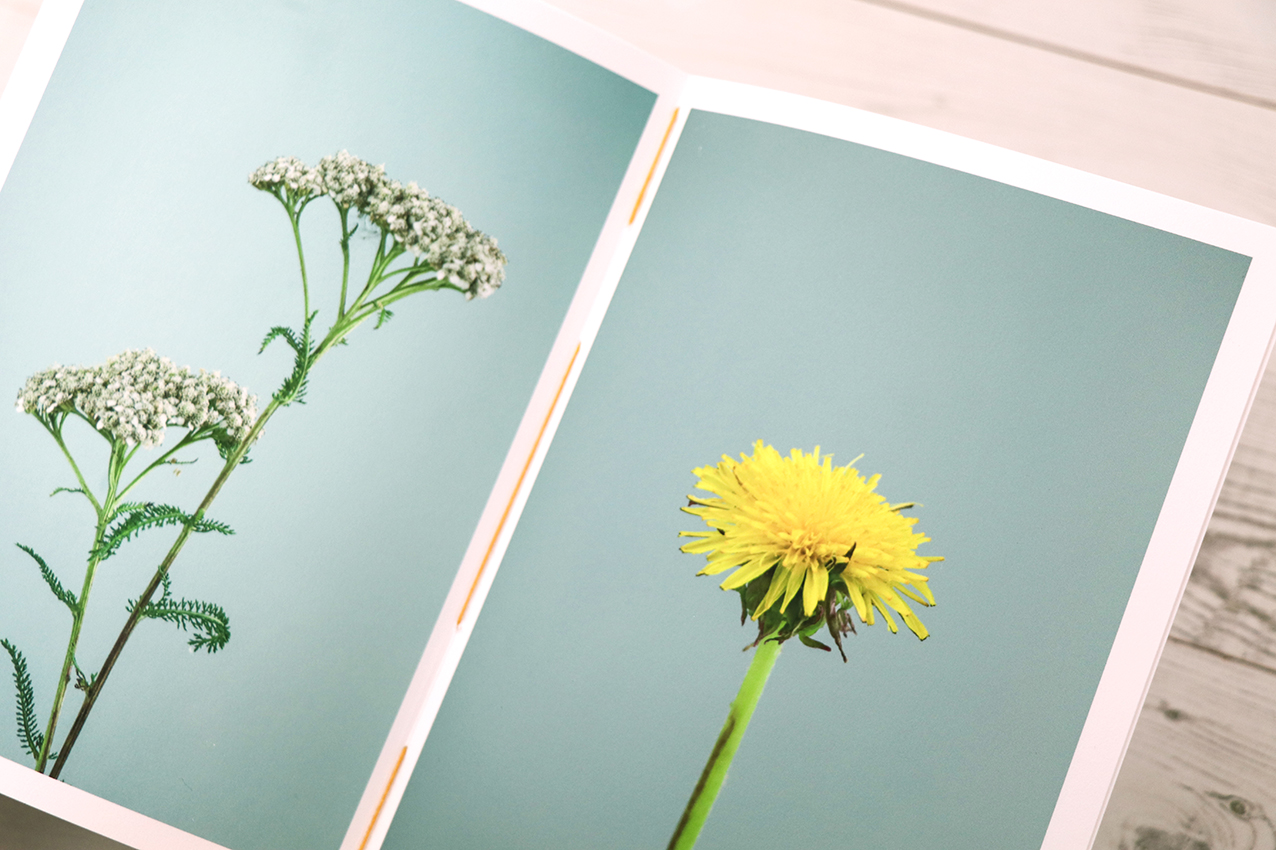
Hand-stitched still lives booklet
Limited edition postcards, reliquary, seeds and archival prints. The Orphaned Spaces Box Set

This highly limited edition, made-to-order box set, deconstructs the book The Orphaned Spaces, breaking it down into hand-stitched booklets, postcards, archival prints and a reliquary.

The box set contains the following elements:

1: Hand-stitched ‘Journal’
Coverstock: G.F SMith, Colorplan, fuchsia pink, 270gsm. Inset pages: G.F SMith, Colorplan, dark grey, 135gsm. Inner pages: ZANDERS ZETA, Unwatermarked Textured Paper, linen 100gsm,
2: Hand-stitched black and white studies booklet
Paper stock: Hahnemühle, Photo Rag, matte smooth, 188gsm
3: Hand-stitched wild flower still lives booklet
Paper stock: Hahnemühle, Photo Rag, matte smooth, 188gsm
4: 10 pressed plants fine art giclée prints
Printed on archival Hahnemühle, Photo Rag, bamboo, 290gsm
5: Six landscape postcards
6: A glass bottle ‘reliquary’
7: Wildflower seeds include a mixture of annual and perennial wildflower species and grasses.
8: Bookmark using G.F SMith, Colorplan, dark grey, 135gsm
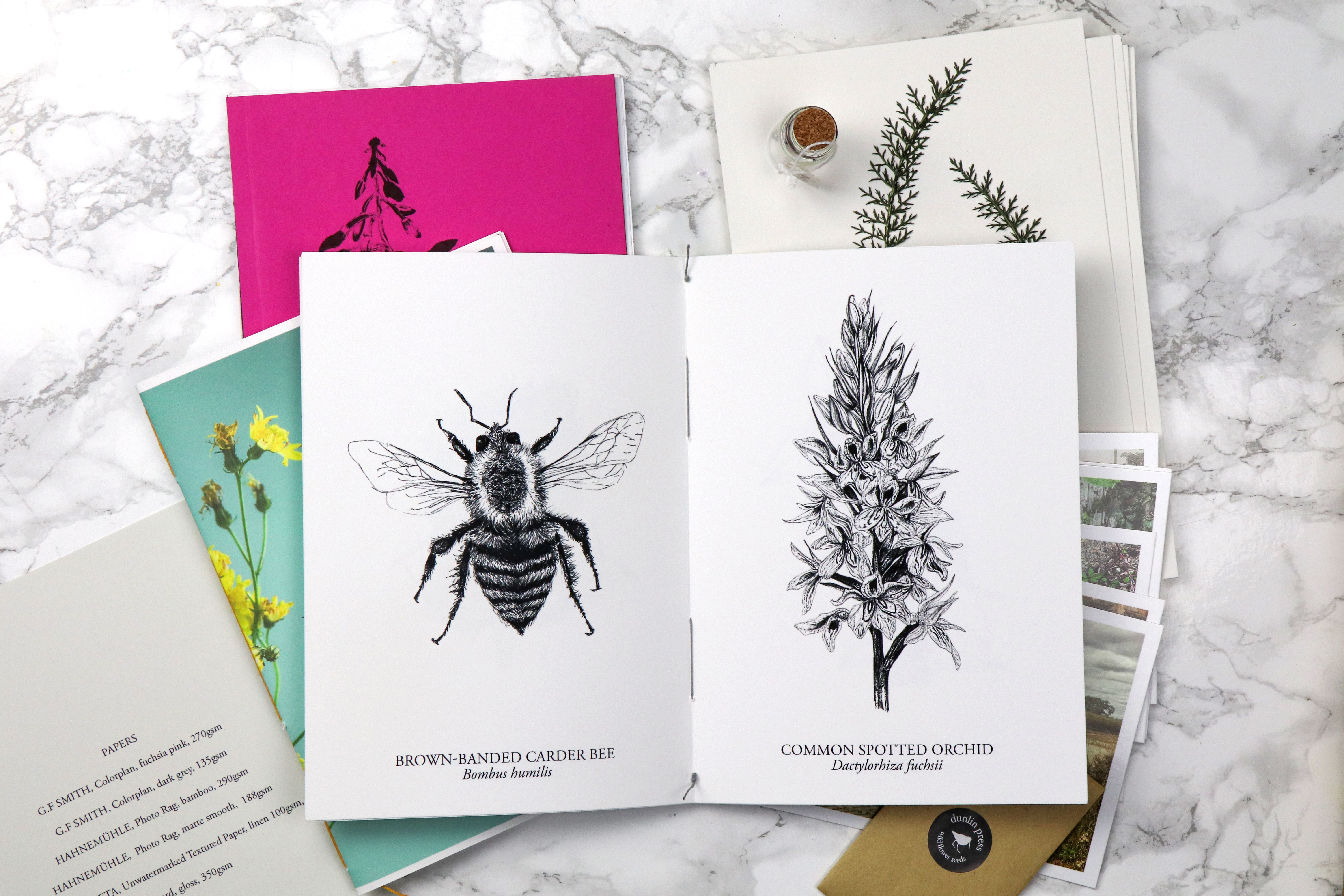
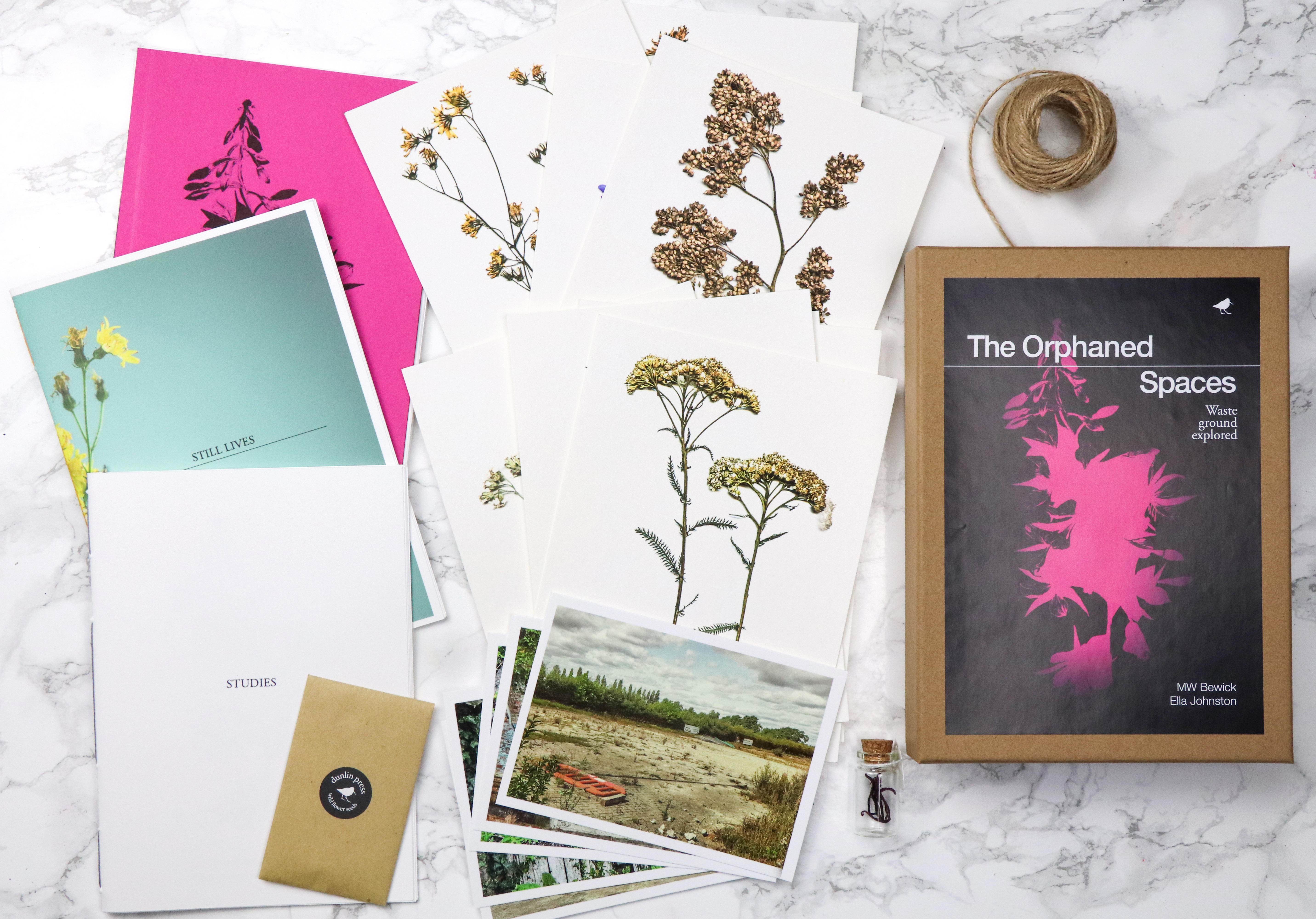
The Orphaned Spaces box set includes three individually hand-stitched books and archival prints plus seeds and reliquary

I’ve really made use of the 2010 Central St Martin book-binding summer course I attended during the past eight years. The box set features three hand-stitched booklets all bound by me. I really enjoy book-making so, what would feel like hard work for some feels like a kind of zen meditative process for me.
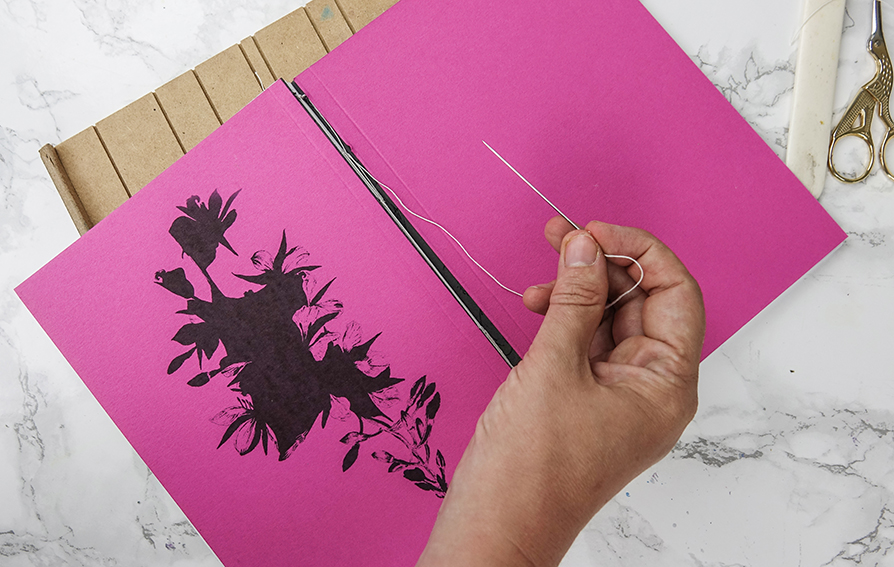
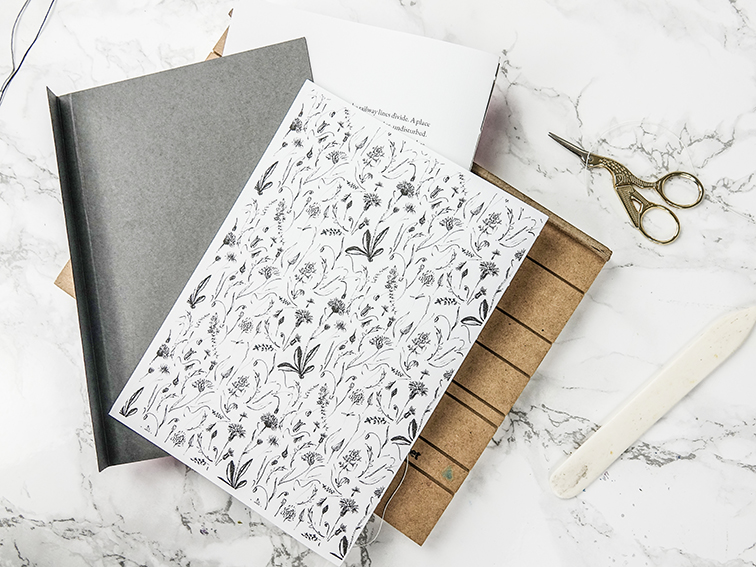
Making the hand-stitched books for The Orphaned Spaces.

You can buy the box set or the book at the Dunlin Press shop.
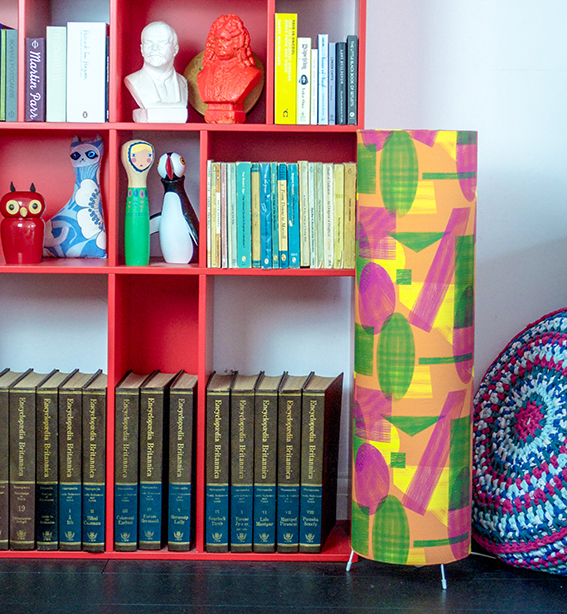
Real homes: my display shelves

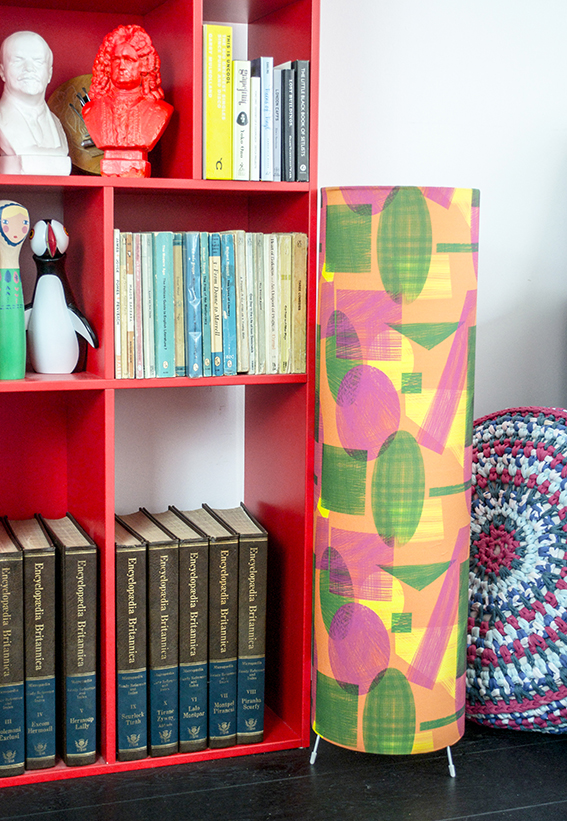
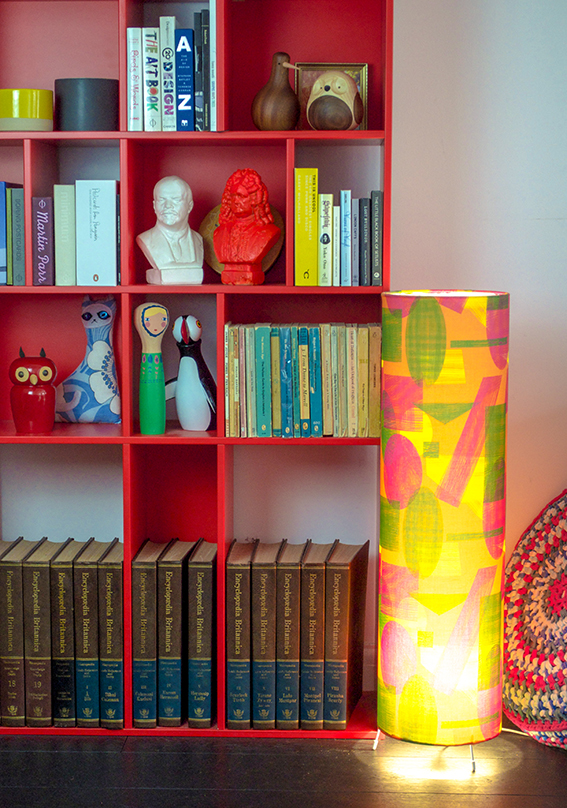
DisplayShelf 2 At Ella’s Place I like to keep things real – especially when it comes to homes stuff. So here’s a peek at my display shelves unit, which lives in my lounge.
DisplayShelf 4 The shelf itself was picked up ages ago at a Habitat sale and I think it was about £100. We loved the bright red colour and its different sized square and rectangular cubby holes – great for both books and little bits and pieces. 
DisplayShelf 3

We’ve filled a lot of the cubby holes with mini art and design books, vintage plays and poetry collections, a complete edition of the 1974 Encyclopaedia Britannica, which we got from a neighbour.  We’ve placed various ceramics we’ve picked up over the years in the rest of the shelves. We’ve also used the unit as a home for some of our various characters from our menagerie – you can read about their back stories here and here. 
DisplayShelfI designed the fabric for the floor lamp to suite in with the shelving, everything else in the room is rather dark so both the unit and lighting provide a little pop of colour we need.  I made this light with a Dannells Floor Lamp Making Kit and got the fabric printed via Spoonflower.

How I made easy fabric coasters in 10 minutes

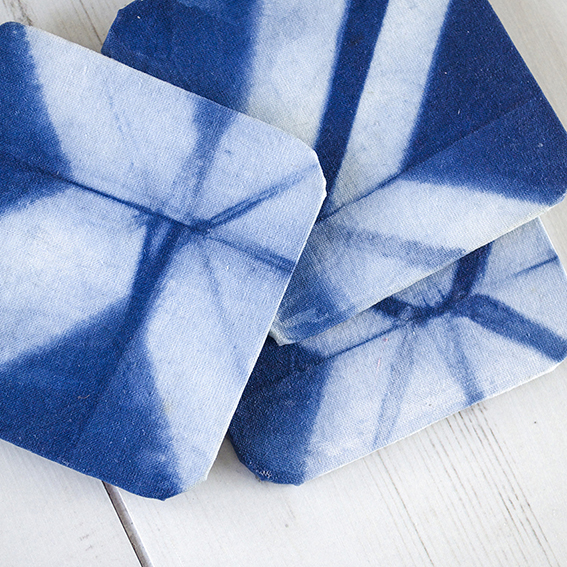
Shibori fabric coasters (c) Ella Johnston ellasplace.co.uk
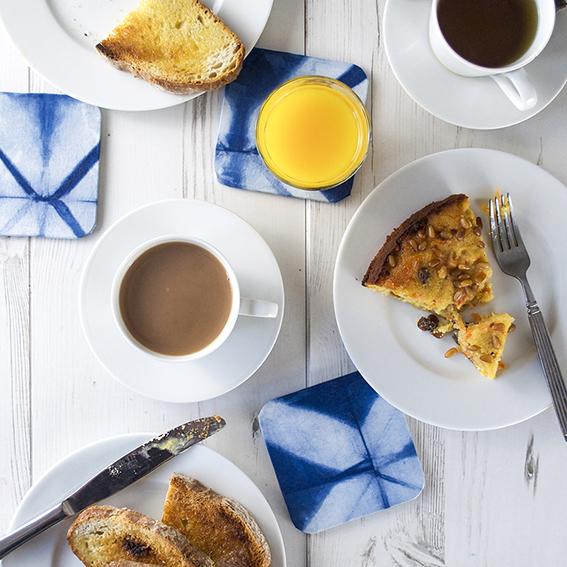
This Shibori fabric coaster project is so easy I kind of feel bad posting it. It took me minutes to make and yet I think they look really stylish. And – seeing as I’m working on Christmas issues of my magazines at the moment – I reckon I may use the techniques employed here to whip up some handmade designer style pressies for my friends.

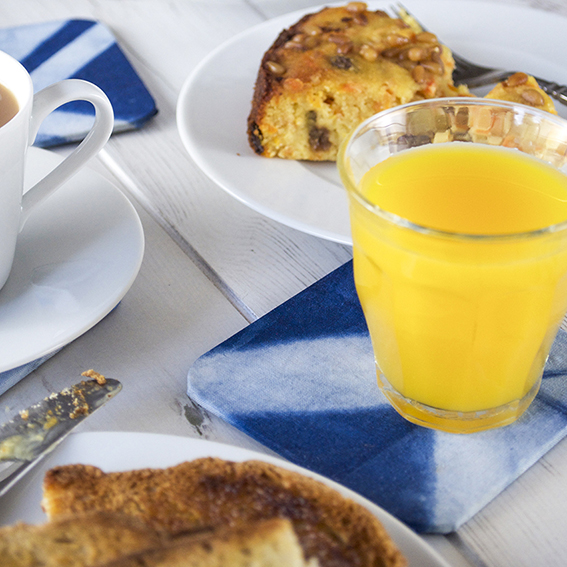
Shibori fabric coasters (c) Ella Johnston ellasplace.co.uk

I had a surplus of Shibori-dyed fabric from a recent workshop I attended and I haven’t got round to making cushions with my larger pieces of fabric yet, but I loved my scrap tester pieces that I made and wanted to do something nice with them.

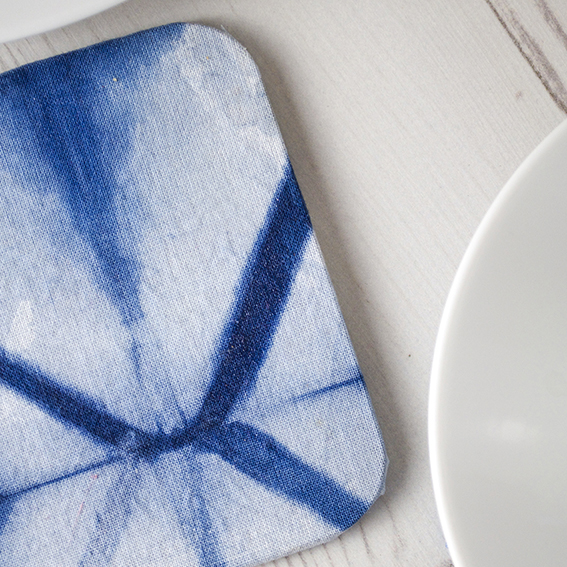
Shibori fabric coasters (c) Ella Johnston ellasplace.co.uk

So I bought a set of blank MDF coasters, cut these scraps to size leaving a 1cm allowance. I then covered the MDF pieces with PVA. I tucked the fabric under and coated the whole lot with a varnish to seal in the fabric and protect the surface. Then once it was all dry I used a strong adhesive to apply a square of felt to the bottom to get rid of any ugly finishes and to provide a good base for the coaster.

Shibori fabric coasters (c) Ella Johnston ellasplace.co.uk

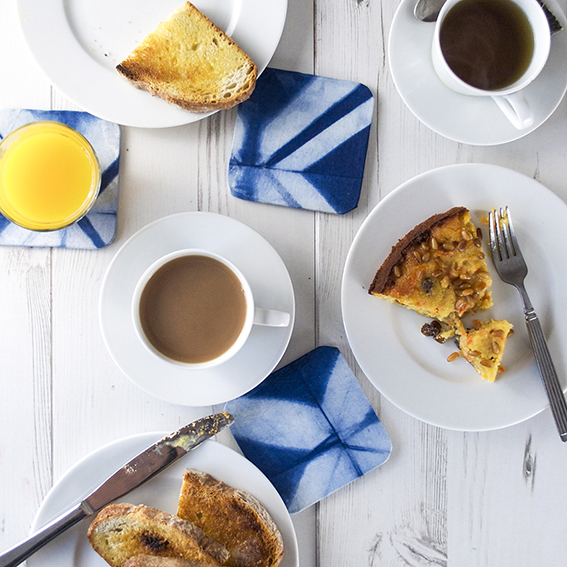
Shibori fabric coasters (c) Ella Johnston ellasplace.co.uk

I’m really pleased with them and use them all the time. A final note: a special shout out has to go for the delicious gluten-free carrot and almond cake (in the pictures, above) from the Wivenhoe Deli and Tea Rooms – I’m a fan and I’m not even gluten intolerant!

How to make a book in eight easy steps

If you are anything like me you’ll have loads of spare bits of patterned, or even plain, card and reams of paper lying around. I’ve got a great little Japanese stab-bound book project that uses up all your stash and is brilliant for when you want to make handmade gifts for people.

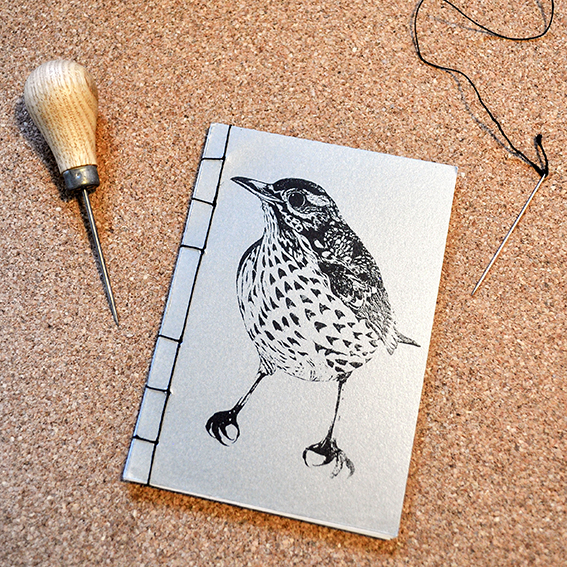
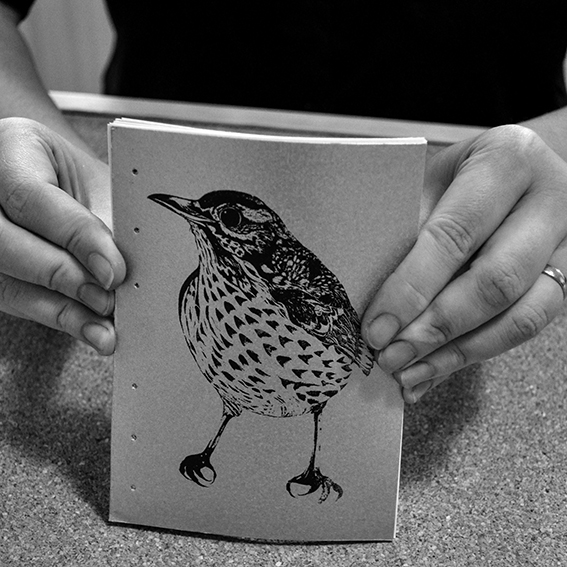
So here’s how to make a book in eight easy steps. I’ve screenprinted one of my bird illustrations onto a card cover of my book but you can make yours with anything you like.

Handmade book (c) Ella's Place


YOU WILL NEED
Awl
Ruler
Pencil
Two sheets of A6 card for your cover
15 sheets of 120gsm A6 paper
Book-binding thread and needle
Rough paper (same size as your book pages and card)

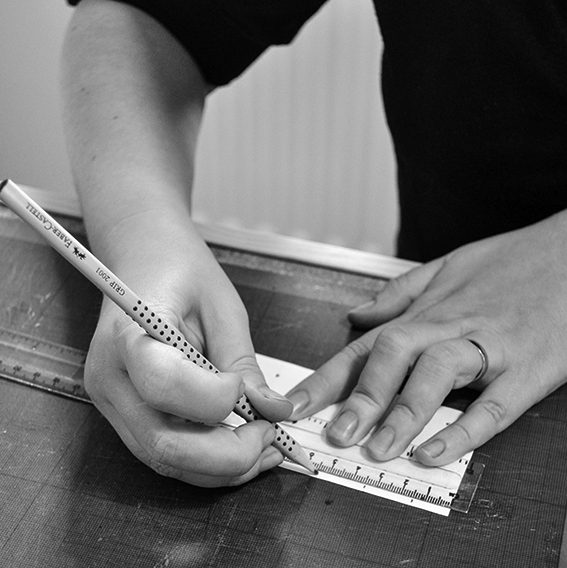
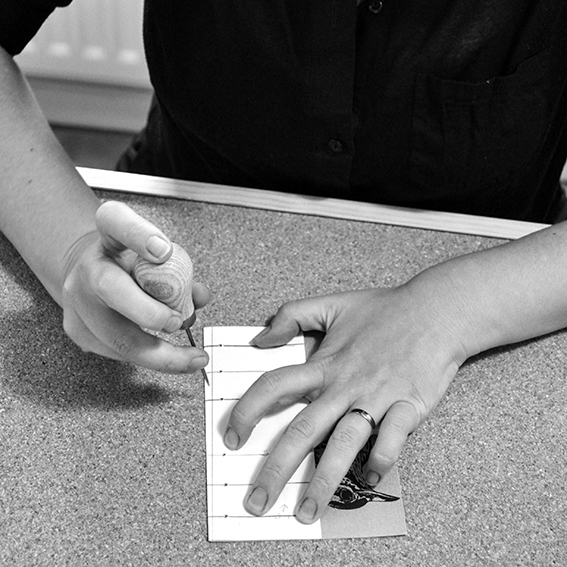
(c) Ella's Place1: Use rough paper to make a template. With a ruler, draw a line from top to bottom of the rough at 1cm from the spine. Starting 1cm from the top, mark off an even number of points spaced evenly on that line.

(c) Ella's place

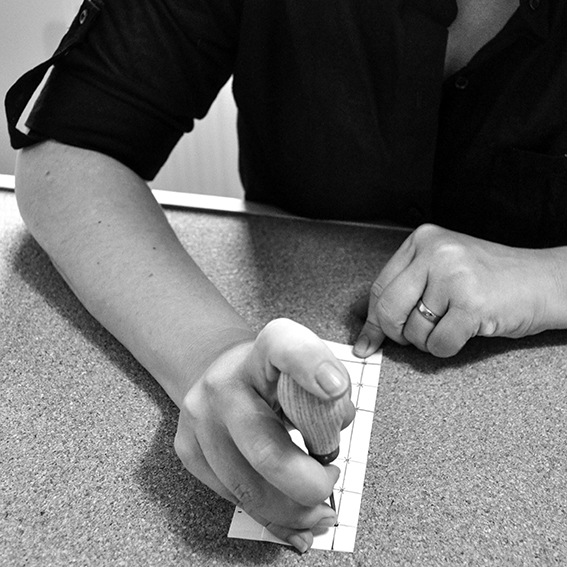
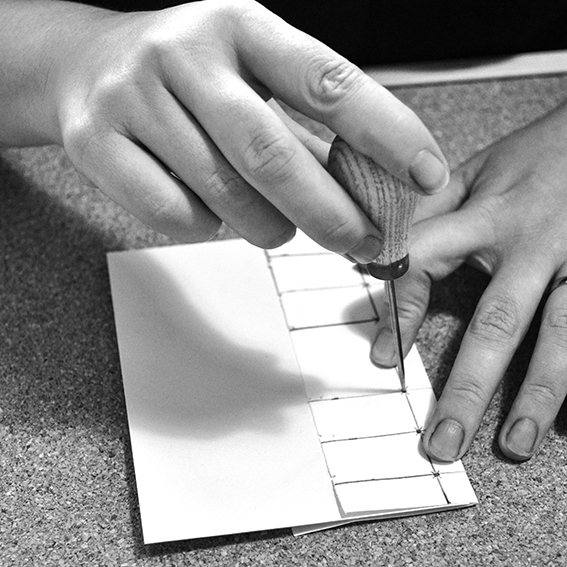
2: Working on a hard, flat surface. Use the awl to make holes in the intersections as shown – I’m protecting my table (and my hands) by placing the paper on a cork board so the awl can ‘sink in’.

(c) Ellas place

(c) Ellas place

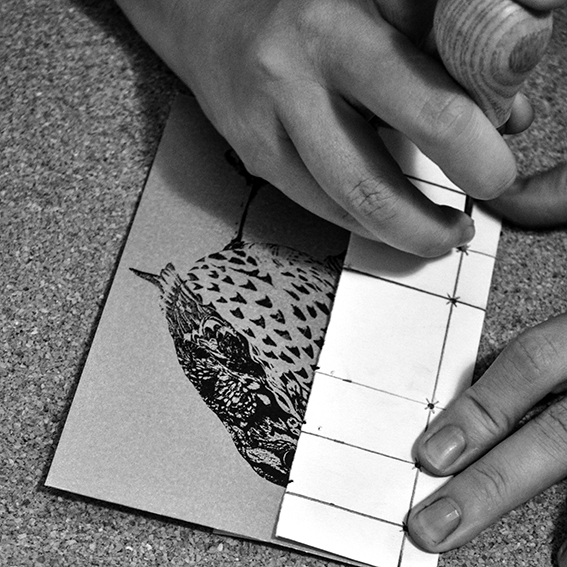
3: Place the front cover card underneath the template, holding or clipping the front edge to keep from moving. Protect your work surface as you punch a hole at each of the marked points using an awl. Repeat for the back cover.

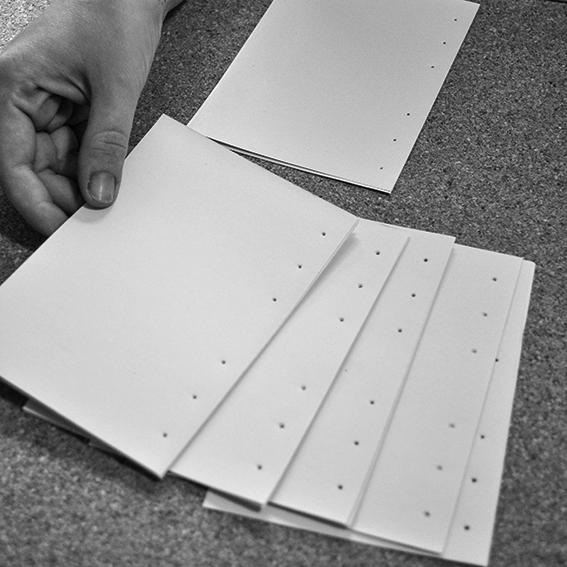
(C) Ellas place(c) Ella's Place4: Place a quarter of the book pages underneath the template and make holes as shown. Continue with the remaining pages doing quarters at a time. The pages and cover should all look the same once punched.
(c) Ella's Place

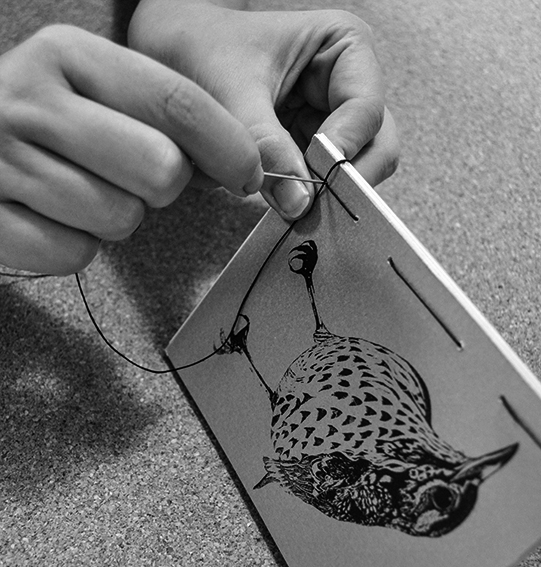
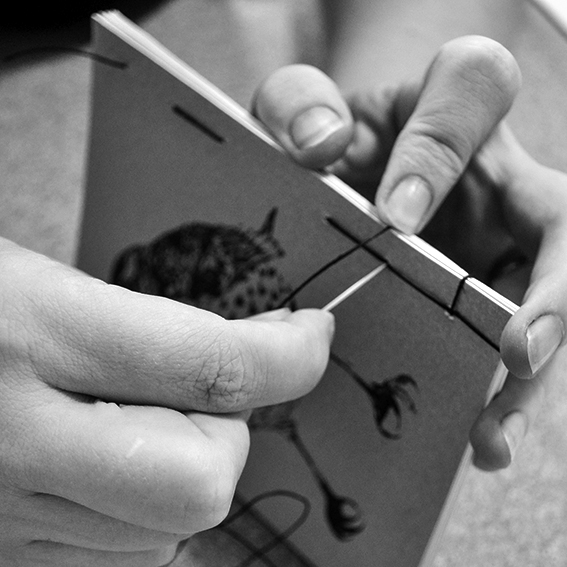
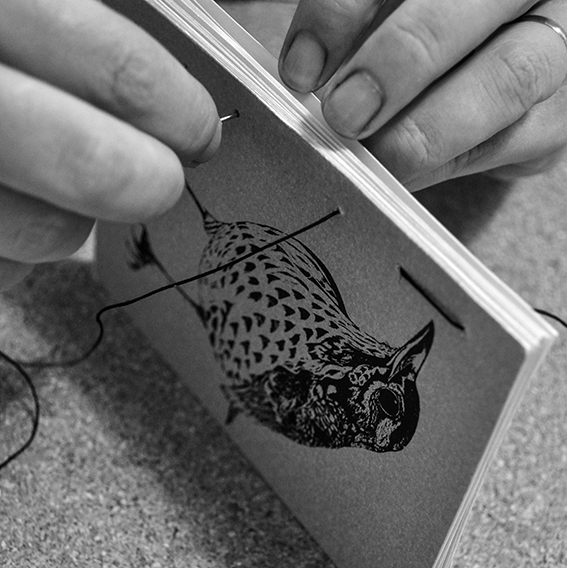
(c) Ella's Place5: Put all the pages, including the front and back covers, together. Thread the needle through the top back hole of the book, leaving some thread loose. Make a running stitch along the holes in the book, pulling the thread tight each time through a hole while keeping your top thread loose.

(c) Ella's Place

6: Loop the thread at the bottom of the book’s spine and go through the bottom hole. Place the book on its side, loop around the top of the spine and go through the bottom hole again.

(c) Ella's Place

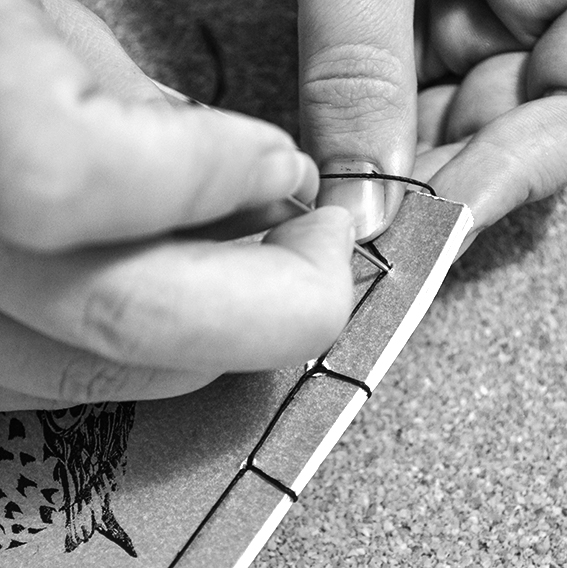
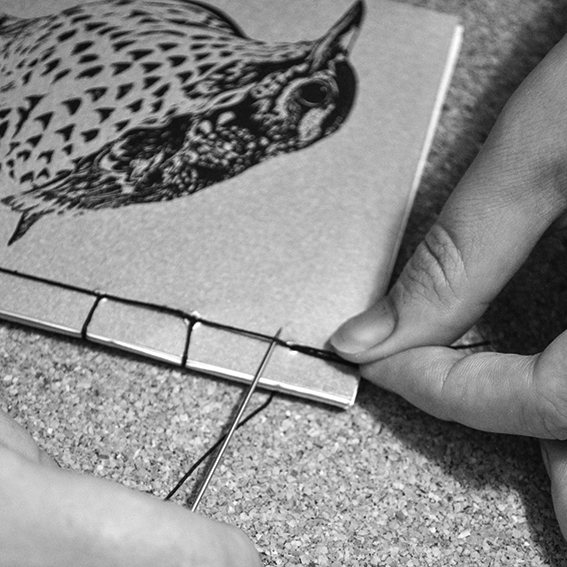
7: Do a running stitch into the next hole, loop around the top of the spine and go through that hole again on to the next hole. Repeat until you get to the top of the book.

(c) Ella's Place

(c) Ella's Place

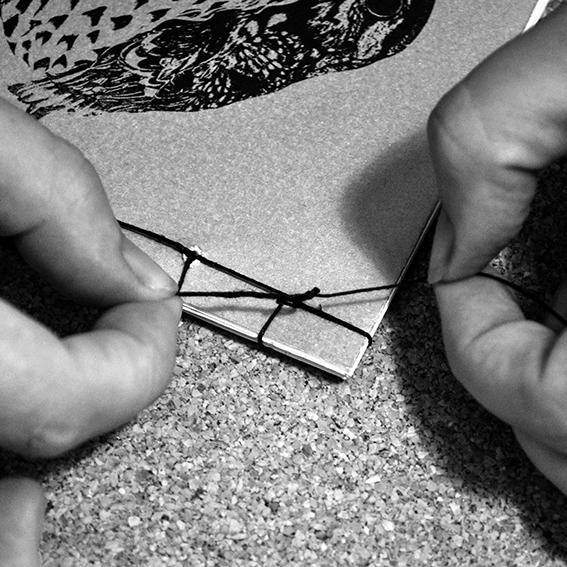
(c) Ella's Place8: Make a loop at the top of the book and go through the top hole. Slip the needle under two of the top bindings coming out of starting hole. Tie a tight knot with the original loose thread.

(c) Ella's Place

Look – you’ve made a book!